GHRH-Analog & Secretagogue Peptide Research
Reference material on growth-hormone-releasing-hormone receptor and secretagogue peptide pharmacology for qualified laboratory research professionals.
View compounds in this categoryA well-characterized class of receptor-selective peptides
Growth-hormone-releasing-hormone (GHRH) analogs and growth-hormone secretagogue peptides act on distinct receptor targets — the GHRH receptor and the growth-hormone secretagogue receptor (GHS-R) — and have been characterized in the pharmacology literature since the late 1990s. Early published work established structure-activity relationships for this peptide family, including receptor selectivity relative to other endocrine signaling peptides.
What the published literature covers
Peer-reviewed studies on this class have examined receptor-binding selectivity, in vitro and in vivo signaling assays, and peptide-backbone modifications designed to improve proteolytic stability relative to the native hormone sequence. Comparative pharmacology literature has also distinguished GHRH-receptor agonists from ghrelin-receptor secretagogues on the basis of binding site and signaling pathway.
Research applications
Laboratories working with this peptide class typically focus on receptor-selectivity assays, structure-activity relationship (SAR) studies across analog series, peptide stability and degradation-pathway research, and analytical method development for identity and purity confirmation.
What research in this category typically examines
Receptor selectivity
Studies distinguishing GHRH-receptor agonism from ghrelin-receptor (GHS-R) secretagogue activity across this peptide family.
Structure-activity relationships
Research mapping how sequence modifications affect receptor binding, potency, and proteolytic stability relative to native hormone sequences.
In vitro / in vivo signaling models
Published assay work characterizing downstream signaling responses in laboratory models.
Analytical characterization
HPLC and mass-spectrometry-based methods for confirming peptide identity and purity.
GHRH-analog & secretagogue peptides in this category
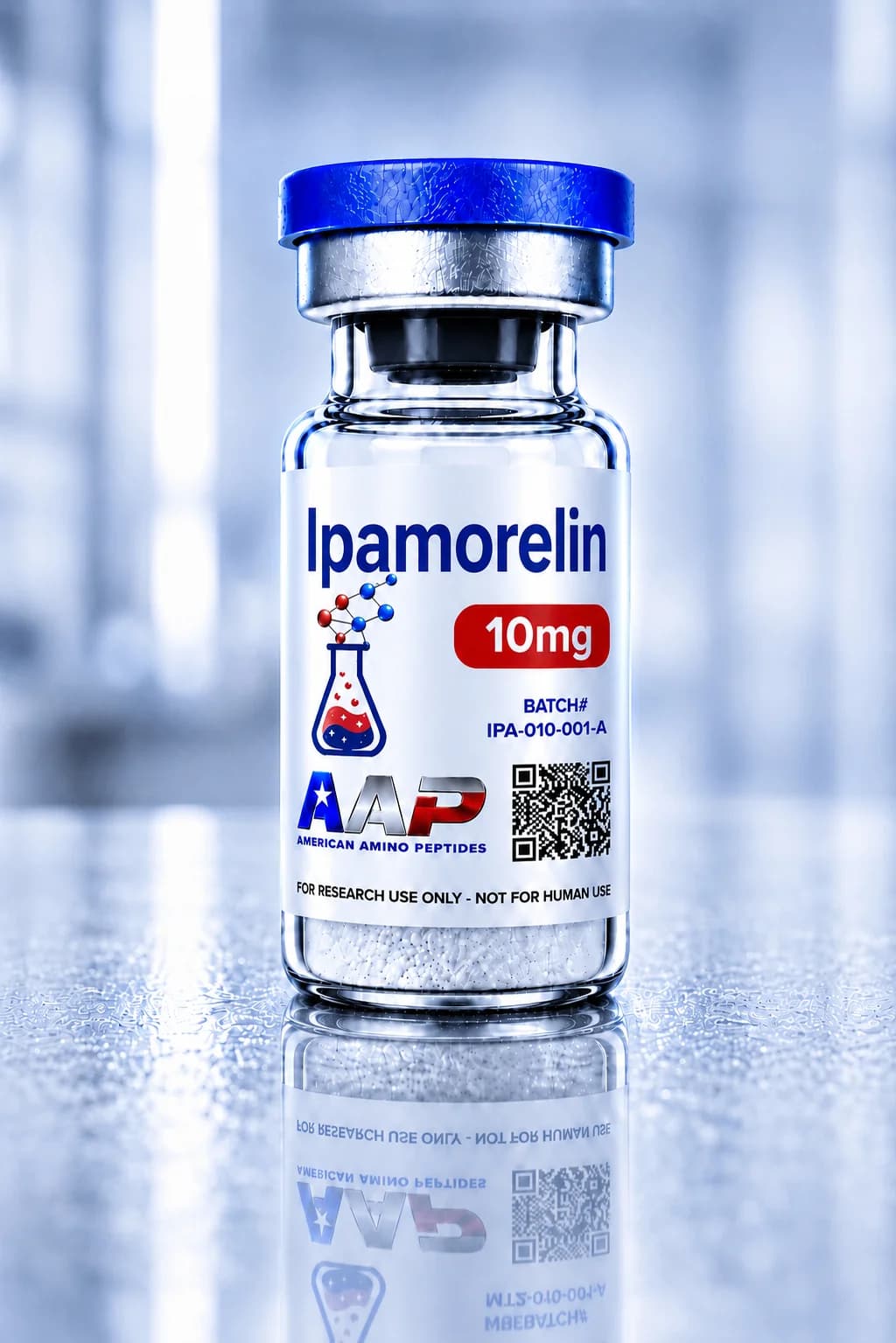 99.88%COA ✓
Ipamorelin
Ipamorelin selective GH secretagogue (GHRP) — growth-hormone axis research
$40
Select Options 99.51%COA ✓
Sermorelin
Sermorelin GHRH (1-29) analog — growth-hormone release research
$45 – $70
Select Options 99.8%COA ✓
Tesa
Tesamorelin GHRH analog, visceral adiposity and GH axis research
$50 – $100Sale
Select OptionsFrequently asked questions
ScopeWhat does “research use only” mean for this category?+
These peptides are supplied exclusively for laboratory and analytical research conducted by qualified professionals, and are not labeled, formulated, or sold for human or veterinary use.
DistinctionAre all peptides in this category the same receptor target?+
No. This category groups GHRH-receptor analogs and GHS-R secretagogue peptides together for catalog purposes; the published literature draws a pharmacological distinction between them, and researchers should confirm the specific receptor target of each compound before designing a study.
DocumentationIs a certificate of analysis available?+
Yes — lot-specific certificates of analysis are available in the documentation center for compounds in this category.
For research use only. All GHRH-analog and secretagogue peptides referenced on this page are intended for laboratory research use only, by qualified research professionals. They are not for human consumption, are not intended to diagnose, treat, cure, or prevent any disease, and have not been evaluated for safety or efficacy in humans or animals.