
Incretin & Glucagon-Family Receptor Peptide Research
Reference material on GLP-1, GIP, and glucagon receptor peptide pharmacology for qualified laboratory research professionals.
View compounds in this categoryPeptide receptor pharmacology as a research subject
The GLP-1, GIP, and glucagon receptors are class B G protein-coupled receptors that have been the subject of extensive published structural biology and pharmacology research over the past decade. Peptide agonists engineered for these receptors — including single-receptor, dual-receptor, and triple-receptor agonist designs — are commonly used in laboratory settings to study receptor binding affinity, signal transduction, and structure-activity relationships.
What the published literature covers
Structural biology work, including cryo-electron microscopy studies, has characterized how these peptide agonists engage their receptor binding pockets and initiate downstream signaling. Analytical chemistry literature has separately examined the proteolytic stability, formulation behavior, and receptor-selectivity profiles of this peptide class, comparing single, dual, and triple receptor agonist designs.
Research applications
Laboratories working with this peptide class typically focus on receptor-binding assay development, structure-activity relationship (SAR) mapping across peptide backbone modifications, comparative receptor-selectivity studies between analog designs, and analytical method development — including HPLC and mass spectrometry — for peptide identity and purity confirmation.
What research in this category typically examines
Receptor binding & selectivity
Studies characterizing how peptide agonists engage GLP-1, GIP, and glucagon receptors, including comparative binding-affinity and selectivity profiling across analog designs.
Structural biology
Published structural modeling and cryo-EM work describing receptor-agonist binding conformations and activation mechanisms.
Structure-activity relationships
Research examining how modifications to the peptide backbone affect receptor engagement, potency, and proteolytic stability.
Analytical characterization
Method development for confirming peptide identity and purity, including HPLC and mass-spectrometry-based analysis.
GLP / GIP receptor peptides in this category
 99.8%COA ✓
RETA
Retatrutide GLP-1/GIP/glucagon triple agonist, metabolic research
$50 – $165Sale
Select Options 98.69%COA ✓
SEMA
Semaglutide GLP-1 analog, pancreatic beta cell research
$25 – $50Sale
Select Options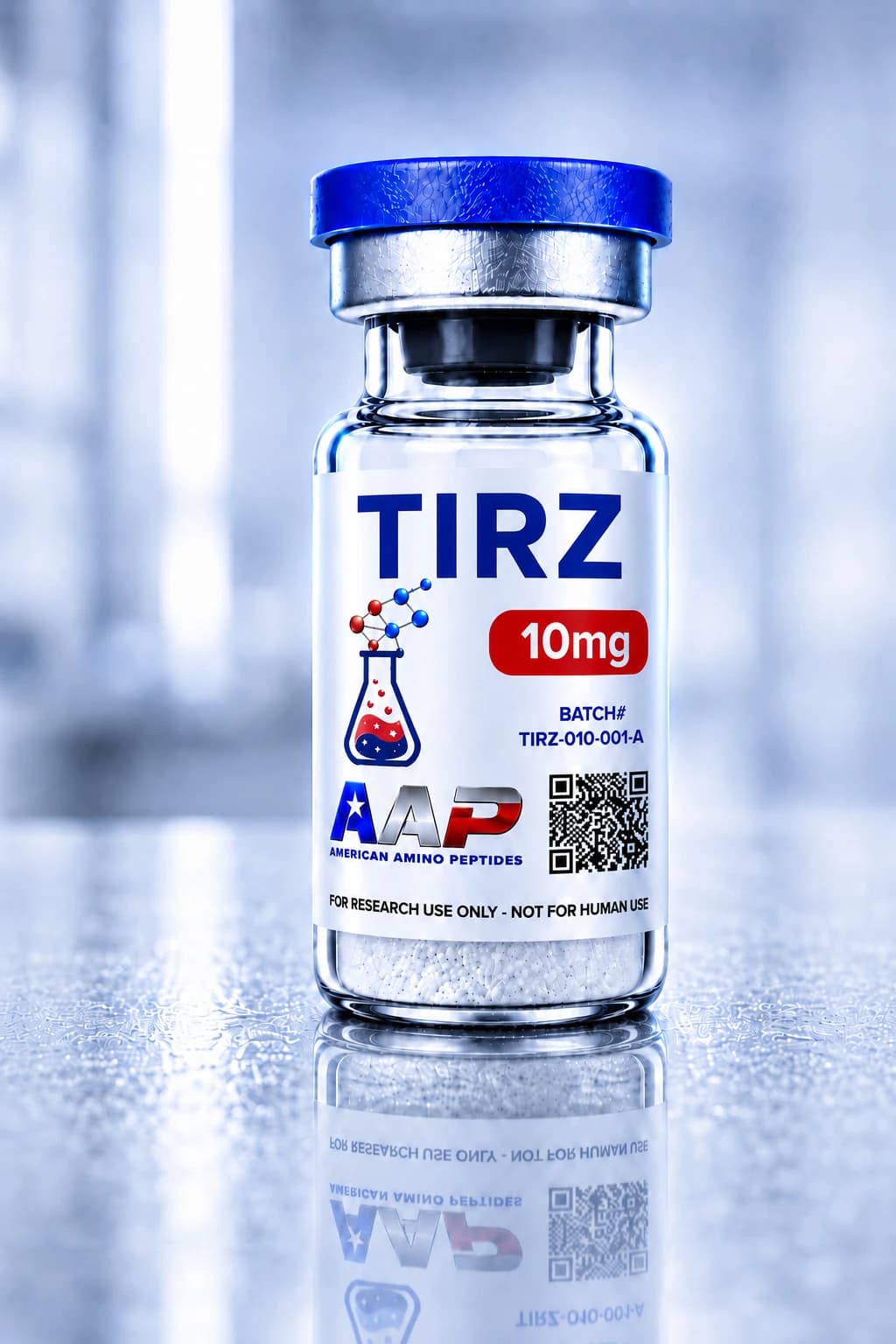 99.9%COA ✓
TIRZ
Tirzepatide GIP/GLP-1 dual agonist, metabolic pathway research
$45 – $135Sale
Select OptionsFrequently asked questions
ScopeWhat does “research use only” mean for this category?+
These peptides are supplied exclusively for laboratory and analytical research conducted by qualified professionals. They are not labeled, formulated, or sold for human or veterinary use, and no outcome claims are made about their effects in a living organism.
DocumentationIs a certificate of analysis available?+
Yes — lot-specific certificates of analysis are available in the documentation center for compounds in this category.
LiteratureWhere can I read the underlying published research?+
Structural and pharmacology studies on this receptor class are published in peer-reviewed journals and are publicly indexed. This page summarizes the research landscape; it is not a substitute for reviewing primary sources directly.
For research use only. All GLP-1, GIP, and glucagon receptor peptides referenced on this page are intended for laboratory research use only, by qualified research professionals. They are not for human consumption, are not intended to diagnose, treat, cure, or prevent any disease, and have not been evaluated for safety or efficacy in humans or animals.